History of Community Health Centers

One of my favorite parts of the recent NACHC Community Health Institute (CHI) in Orlando was actress Anna Deavere Smith’s opening session performance from her work “Let Me Down Easy,” a series of monologues based on interviews with people about their experiences with the health care system.

This past June, I had the privilege of visiting Open Door Family Medical Center in Ossining NY and meeting the center’s dedicated staff. Located a short ride away from Manhattan, off the Hudson River, Open Door feels far removed from the big city.
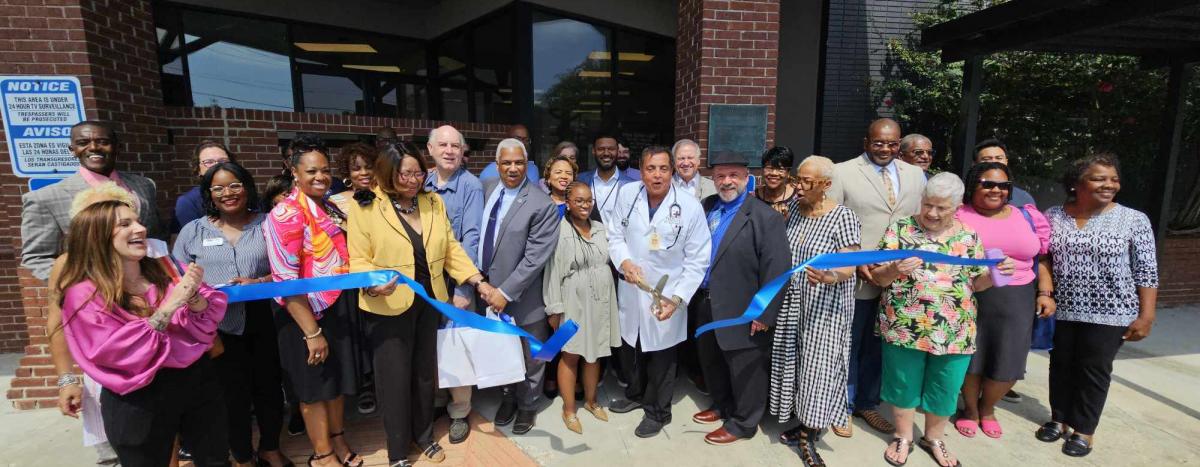
For half a century, Teche Action Clinic has been at the heart of Southeast Louisiana’s healthcare landscape, standing as a beacon of hope, compassion, and community. Louisiana’s first community health center, Teche Action Clinic was founded to meet the urgent needs of migrant sugar cane workers and low-income families who lacked access to essential medical services.
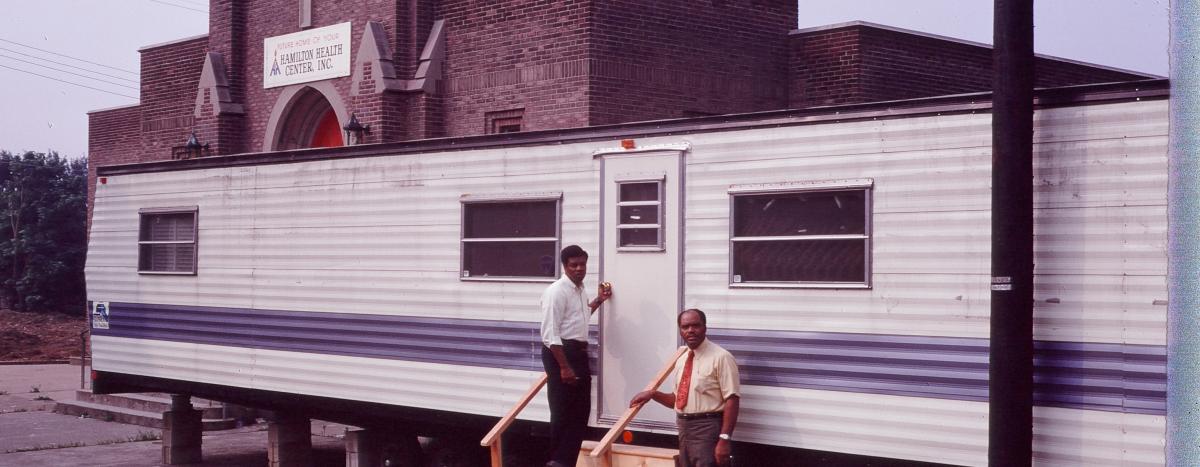
Hamilton Health Center’s story began in 1969 with a shared vision of providing accessible healthcare to the greater Harrisburg, PA area.
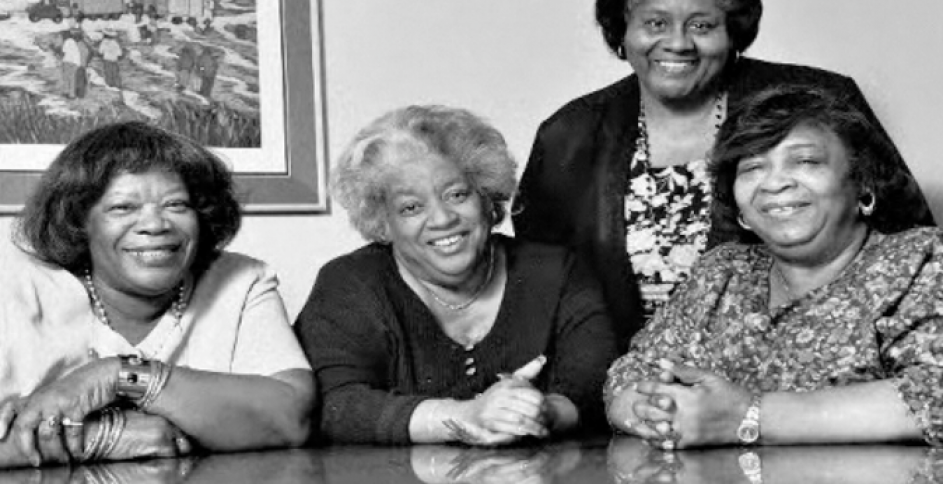
Buoyed by mission and mandate, grassroots community leadership has been pivotal to the health center movement since its inception. In the face of formidable challenges, dedicated community leaders and advocates challenged the health care establishment to meet the pressing needs of their neighbors.
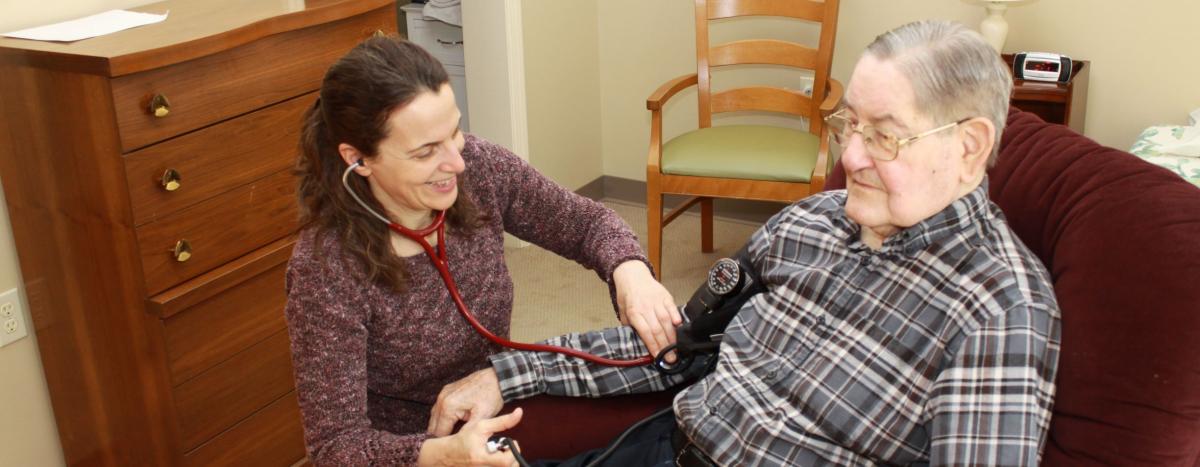
The National Population Projections released by the U.S. Census Bureau project that by 2034, there will be 77.0 million people age 65 years and older, or one-and-a half times as many as were reported in 2016 (49.2 million). For the first time, adults will outnumber the nation’s children under the age of 18. By 2030, 1 in every 5 U.S. residents will be of retirement age.
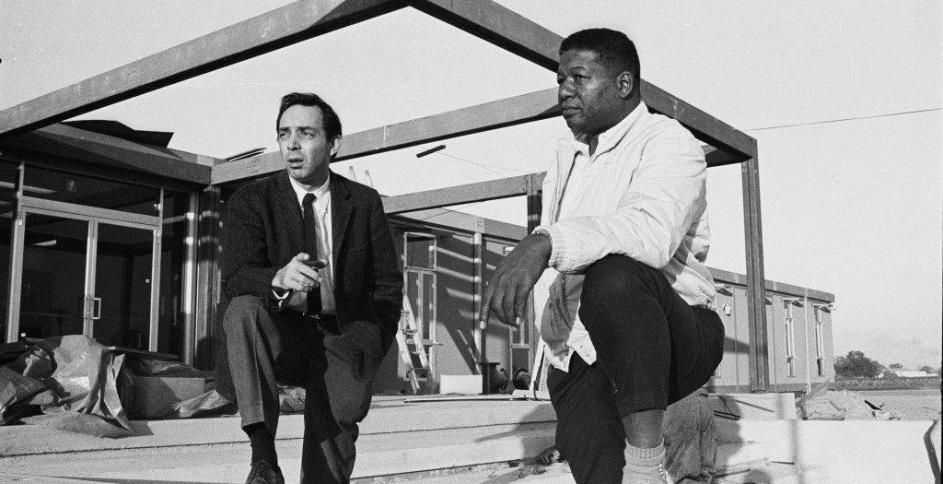
The history of the community health center movement – originating in the civil rights struggles of the 1960s and inspired by global examples – is one of broad vision based on a commitment to equity and community empowerment.